Georg Wilhelm Friedrich Hegel and the Cultural Logic of Coolnomics®
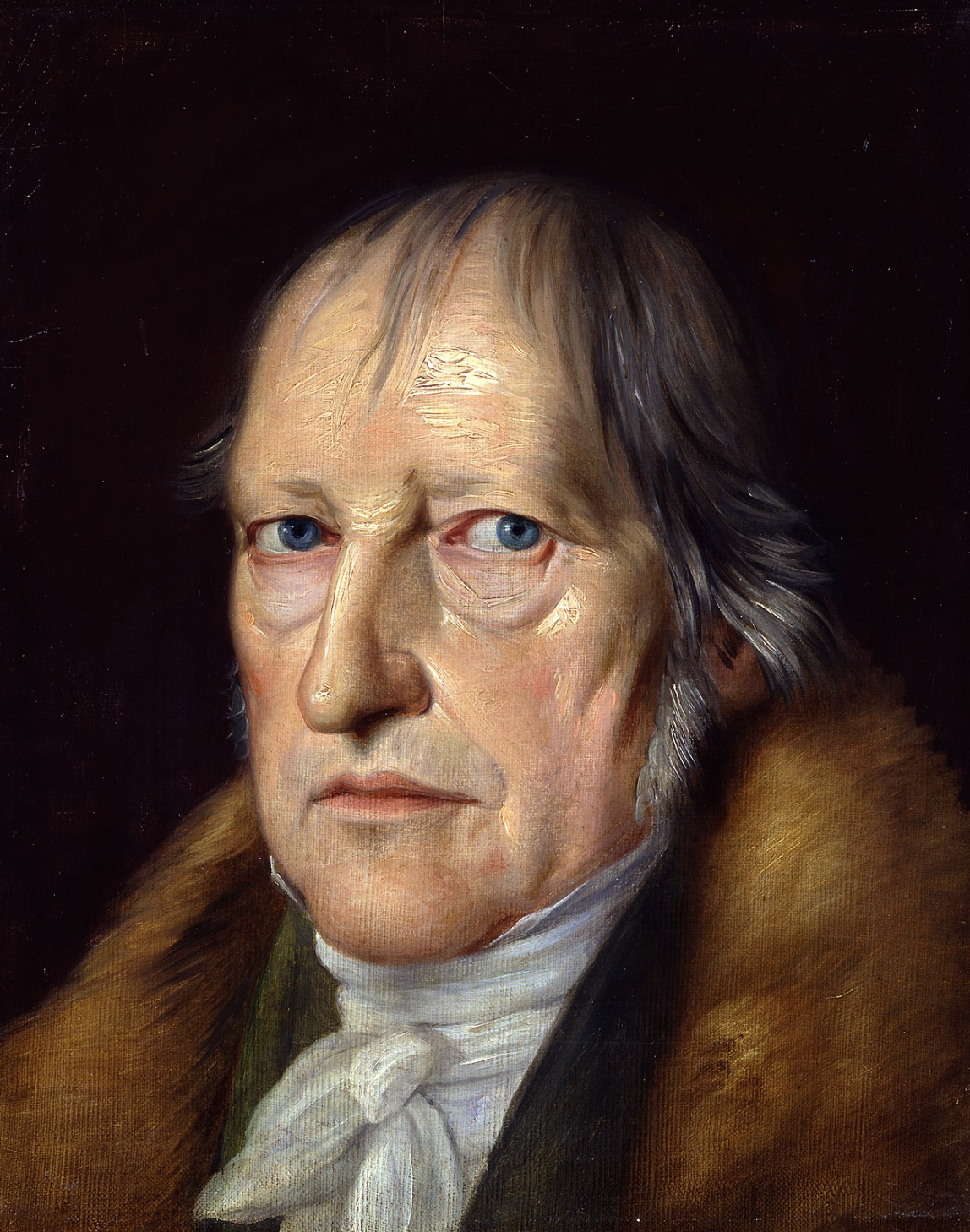
If Coolnomics® argues that culture is the source code of the economy, then Hegel would likely nod.
Not because he wrote about brands or markets, but because he understood something fundamental:
History moves through consciousness.
And consciousness moves through culture.
Georg Wilhelm Friedrich Hegel was a 19th century German philosopher whose ideas shaped modern thinking about history, society and culture.
His central insight was that history is not random. It evolves through tension and transformation. When a dominant worldview can no longer contain its contradictions, a new one emerges. Culture shifts first. Institutions follow.
Hegel argued that consciousness shapes reality. The way a society understands itself determines its laws, systems and values. He called this unfolding cultural logic Geist, often translated as “spirit of the age.”
He also believed that human beings seek recognition. We do not just want to survive. We want to be seen and acknowledged. Recognition, for Hegel, was the foundation of stability and social order.
For Coolnomics®, Hegel is a foundational influence.
Hegel’s philosophy, when translated into strategic language, helps explain why resonance precedes revenue - and why cultural shifts always reorganise economic systems.
Let us explore the connection.
1. The Hegelian Engine: History as a Living Process
Hegel believed that history is not random. It unfolds through a dynamic process often described as dialectical development:
A prevailing structure or worldview
A tension or contradiction
A higher synthesis that integrates and transforms both
Not just philosophical poetry - a model of systemic evolution.
Now consider the Coolnomics® lens:
Culture shapes behaviour
Behaviour shapes markets
Markets reorganise around new values
Coolnomics treats the economy as a living, evolving cultural organism. In reverence to the Hegelian perspective.
Where neoliberal capitalism assumed stable rational actors, Coolnomics recognises that contradictions accumulate. When systems misread human emotion and culture, pressure builds. Eventually something reorganises.
That is dialectic in action.
2. Consciousness Creates Reality
One of Hegel’s most radical ideas was that reality is shaped by consciousness. The way a society understands itself determines its institutions.
In Coolnomics®: How Culture Shapes the Economy, the core thesis is explicit:
Culture is not a byproduct of the economy; it is the source code.
This is structurally Hegelian.
For Hegel:
Ideas are not decorative
They are constitutive
For Coolnomics:
Emotional resonance is not marketing
It is economic infrastructure
Markets are emotional systems.
That line could sit comfortably inside a Hegel seminar if translated into 19th century language.
Where classical economics focuses on material exchange, both Hegel and Coolnomics focus on meaning systems. The “spirit of the age” determines what counts as value.
Hegel called it Geist.
Coolnomics calls it zeitgeist and resonance.
Same structural insight. Different vocabulary.
3. Recognition and the Economics of Identity
One of Hegel’s most influential concepts is the struggle for recognition. Human beings do not just want survival. They want acknowledgment. They want to be seen.
Recognition precedes stability.
In Coolnomics terms:
Cultural relevance = being seen
Emotional intelligence = being understood
Authenticity and credibility = being trusted
The Resonance Equation formalises what Hegel intuited:
Economic loyalty follows recognition.
When brands, policies or institutions fail to recognise lived experience, people withdraw. When they do recognise it, attachment forms.
Recognition becomes capital.
Hegel explains why this is not soft strategy. It is structural.
4. Contradiction and the Collapse of Neoliberalism
Hegel argued that systems collapse when their internal contradictions become unsustainable.
Our article Failings of Neoliberalism makes a parallel claim:
Neoliberalism misread human behaviour and removed cultural guardrails.
That is a dialectical critique.
Neoliberalism assumed rational actors.
Culture produced anxious, status driven, emotionally reactive ones.
Contradiction emerged.
Trust eroded.
The system destabilised.
Coolnomics reads this not as a policy error, but as a philosophical error about human nature.
That is exactly the type of systemic misreading Hegel warned about.
5. Cool as the Visible Form of Spirit
Here is where it becomes particularly interesting.
Hegel believed that Spirit becomes visible in art, culture and social life before it becomes formalised in institutions.
Cool functions in precisely this way.
Cool is early signal.
It appears first in subculture, humour, language shifts, design, emotional tone. Only later does it reorganise capital flows and policy.
Cool is the aesthetic surface of dialectical movement.
When we say:
“We need to bring the zeitgeist into the boardroom” - a common Coolnomics® catchcry
We are effectively arguing for Hegelian strategic literacy.
Executives must understand the movement of spirit before it manifests economically.
6. From Dialectics to Design
Where Hegel offers philosophy, Coolnomics offers tools.
Hegel describes:
Historical evolution through contradiction
Recognition as foundational
Consciousness shaping institutions
Coolnomics operationalises:
Cultural relevance
Emotional intelligence
Authentic credibility
Commercial viability
It converts dialectical theory into contemporary business thinking.
Hegel explains why culture drives history.
Coolnomics explains how to design within that reality.
Strategic Implication for Coolnomics®
Coolnomics is a contemporary extension of continental philosophy into economic strategy.
We are not saying:
Culture influences markets.
We are saying:
Culture constitutes markets.
That distinction is philosophically serious.
And it gives reverence to a lineage of thinkers who understand that economics without anthropology collapses and policy without emotional literacy destabilises.
Hegel gave us the metaphysics of cultural evolution.
Coolnomics gives leaders a way to navigate it.
About the Author
Robyn Wilson is a business strategist and economic theorist with two decades of experience leading commercial, cultural and public sector innovation. She is the founder of Coolnomics® Intelligence Lab & Business School where she teaches ambitious leaders how to build businesses that resonate.
Robyn holds an MBA from UTS Business School and has advised CEOs, policymakers, artists and investors on having big, cool ideas that are good for the world - and make money. Her work is used in boardrooms, lecture halls and leadership retreats across sectors.
She is a featured speaker on cultural resonance, business building and creative direction.
Speaking, strategy or collaboration enquiries: robyn@coolnomics.com
